
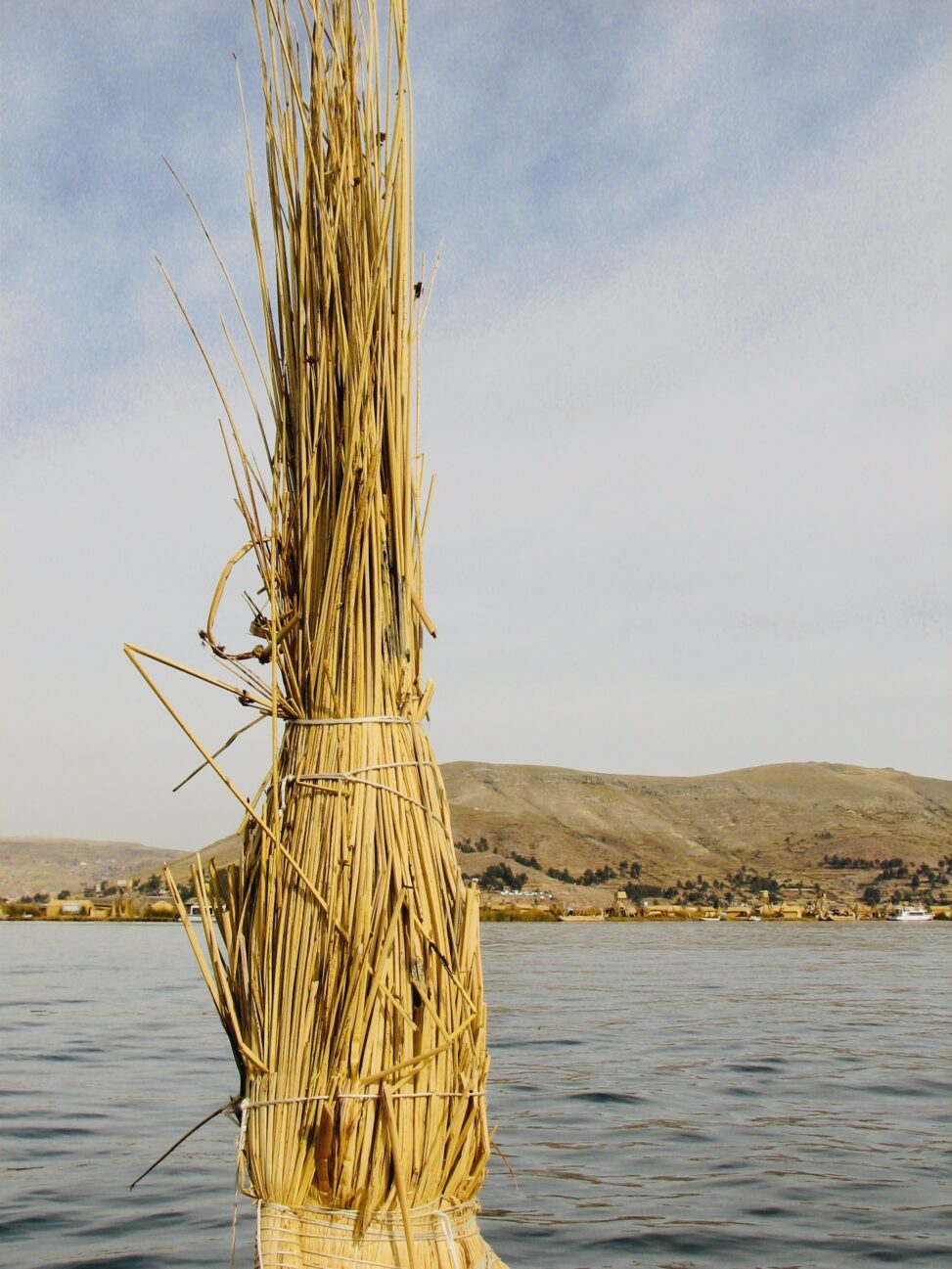
The pre-Incan Uros live on a series of floating islands on Lake Titicaca in Peru. The lake is located on the border of Peru and neighboring Bolivia. At over 12,000 feet, Titicaca is one of the highest navigable lakes in the world. The lake is a popular tourist destination, but only a few of the floating islands accept visitors.
Follow this photographic journey about the Uros of Titicaca:
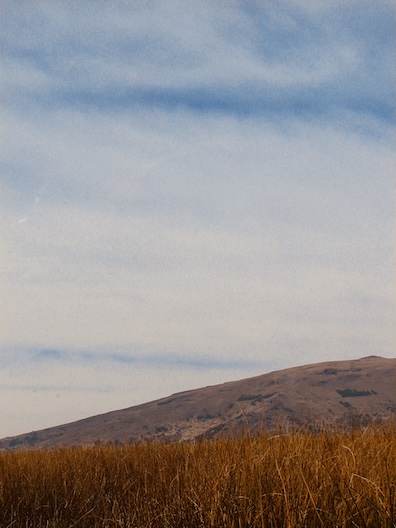
Lake Titicaca
The floating islands are created from the totora reeds that grow naturally in the lake. These reeds are also used for meals, medicine, and for building boats. The boats were traditionally used for transportation, fishing trips, and defense. Carachi and catfish are two species of the fish that have been caught for generations. Today, locals often use the boats for profit by taking travelers on short journeys.
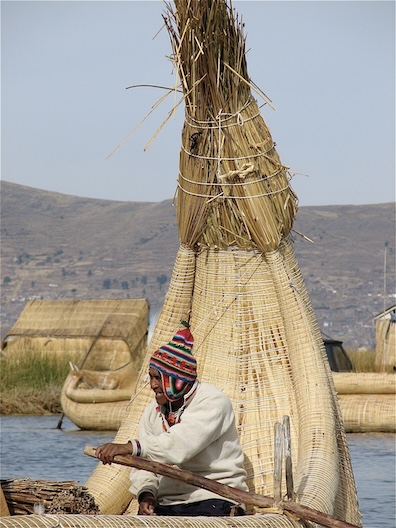
Floating Islands of Lake Titicaca
The islands are filled with Uros children who are either wandering around or selling their family’s wares. You’ll find that all of the women are dressed in traditional clothing, whereas a few of the men wear Western hats or pants. Furthermore, Uros women make most of the contact with tourists, including providing information, selling goods, and setting up arrangements for overnight stays.
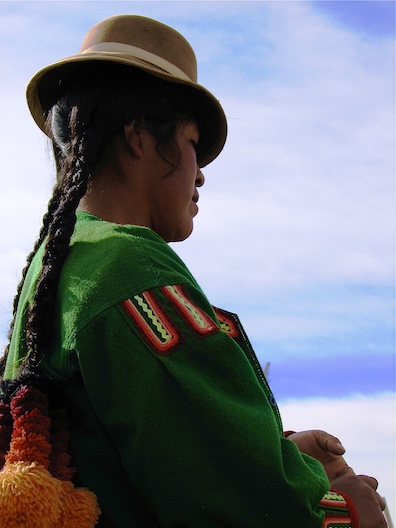
Uros Woman
Only a few hundred Uros remain on the island. Thousands of others have moved to the mainland. The Uros who remain on the island rely on a combination of traditional living and modern amenities. They have some electricity which powers their own radio station and a few hours of television per day. That being said, living on the island isn’t an easy life. Maintaining the totora reeds takes a lot of labor. The same is true of gathering food, educating children, and dealing with the challenges to their way of life.
Minor updates and edits were made from the original article.
Photos © Gennaro Salamone
_____________________________________________________________________________________
 Gennaro Salamone is the founder and editor of Enduring Wanderlust. Please contact him with questions regarding article or photo submissions.