
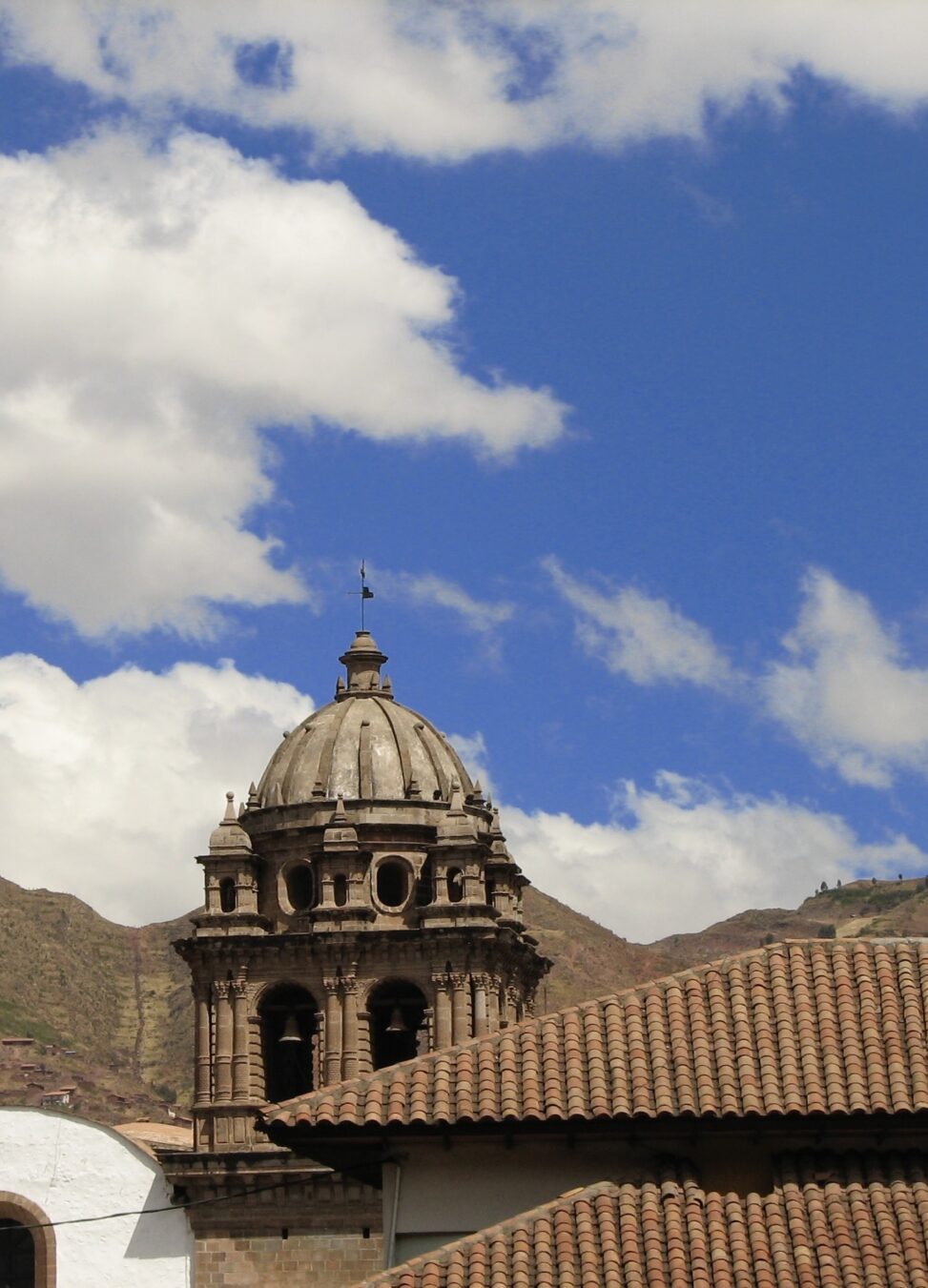
Cusco was the historic capital of the Inca Empire. Peruvians continue to proudly point out the remaining aspects of the culture, including durable Inca stone walls. Even today, Cusco maintains a level of grandeur. That grandeur, combined with its close proximity to Machu Picchu, make Cusco one of the most popular cities for travelers to South American continent.
Follow this photographic journey through the historical capital of the Incas: 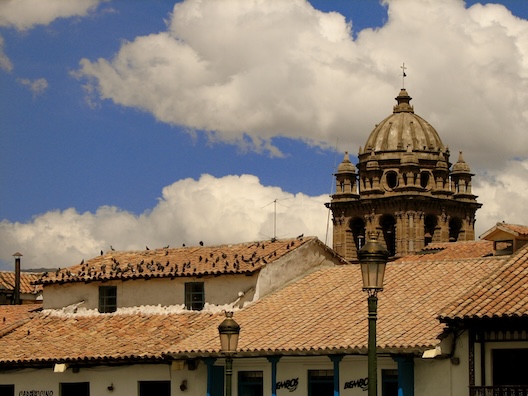
Cusco Architecture
The Plaza de Armas of Cusco is filled with beautiful architecture. This vibrant gathering place is the home to the city’s cathedral, where the visual influence of the Spanish Empire is clear—as it is in most Peruvian cities.
Catholicism deeply shapes the local culture. Processions to honor patron saints or Jesus Christ are regular occurrences, offering a wonderful opportunity to observe families gathering together. 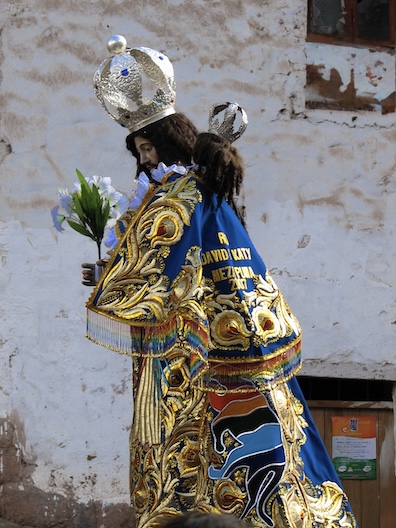
Procession in Cusco
Indigenous textile markets provide travelers with plenty of warm clothing options for the trip to Machu Picchu. In addition to the textiles, Cusco boasts a sizable food market with fresh produce, cheeses, and meats. It is also a fun place to observe locals haggling over prices.
Cusco’s architecture shows both Incan and Spanish influences, making it perhaps the best place in Peru to view this combination. As a bonus, travelers can enjoy views of the majestic hills around the city against stunning blue skies—a perfect backdrop for photographers.
As you sit in the Plaza de Armas, be sure to rest to avoid overexertion and altitude sickness.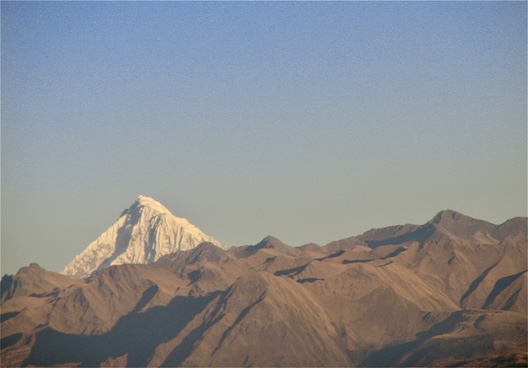
Sacred Mountains
Minor updates and edits were made from the original article.
Photos © Gennaro Salamone
___________________________________________________________________________________
 Gennaro Salamone is the founder and editor of Enduring Wanderlust. Please contact him with questions regarding article or photo submissions.